Allen's Foundation Crack Inspection Specialists
Find the cause before fixing the crack
Book a free inspection before patching a crack that may be tied to active clay movement.
Allen's Foundation Crack Inspection Specialists
Book a free inspection before patching a crack that may be tied to active clay movement.
A visible crack is only the starting point. In Allen, the more useful question is whether the foundation is still moving because of clay shrinkage, poor drainage, plumbing leaks, tree roots, or an older repair that has lost support. That requires more than looking at drywall and guessing.
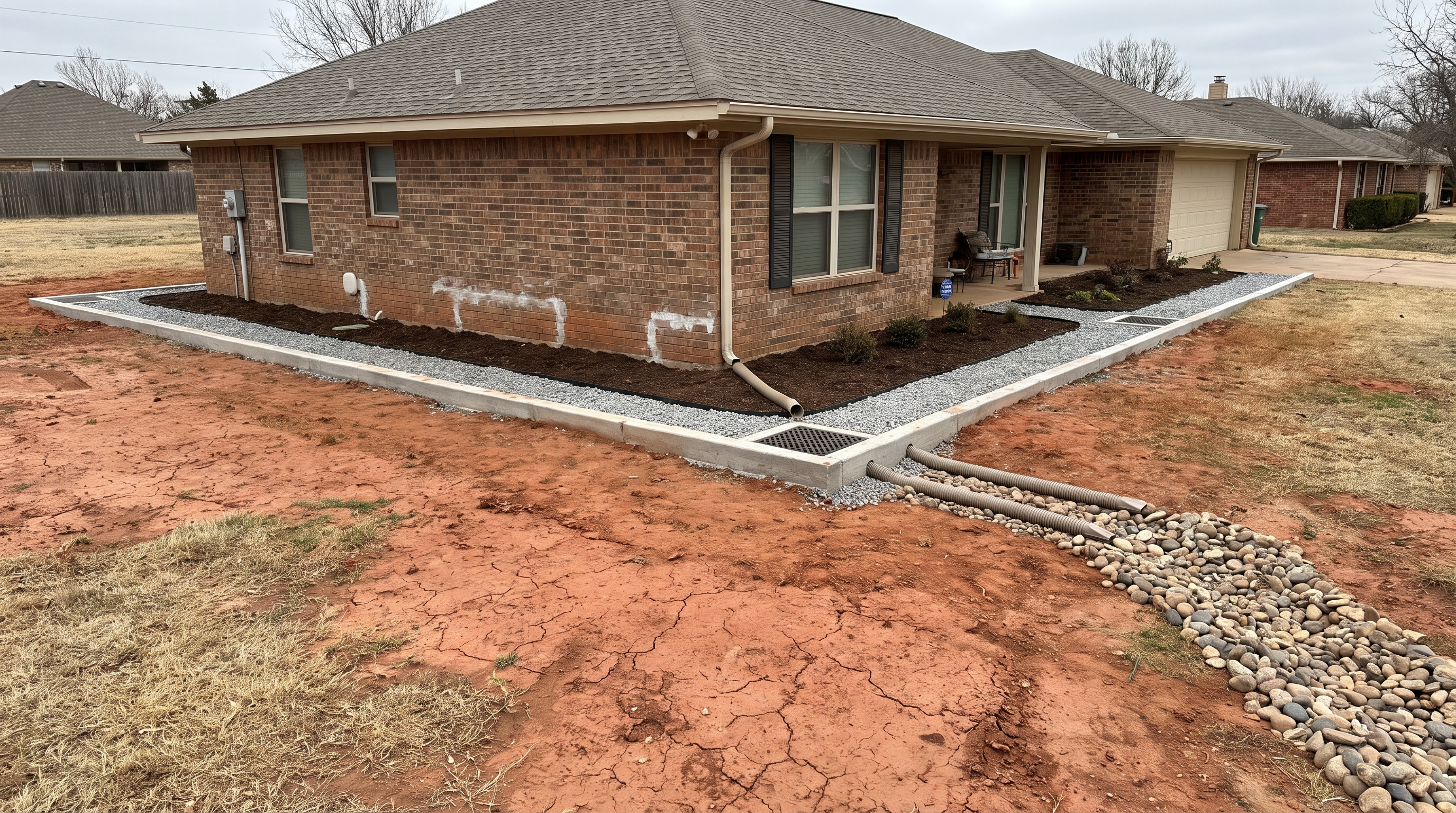
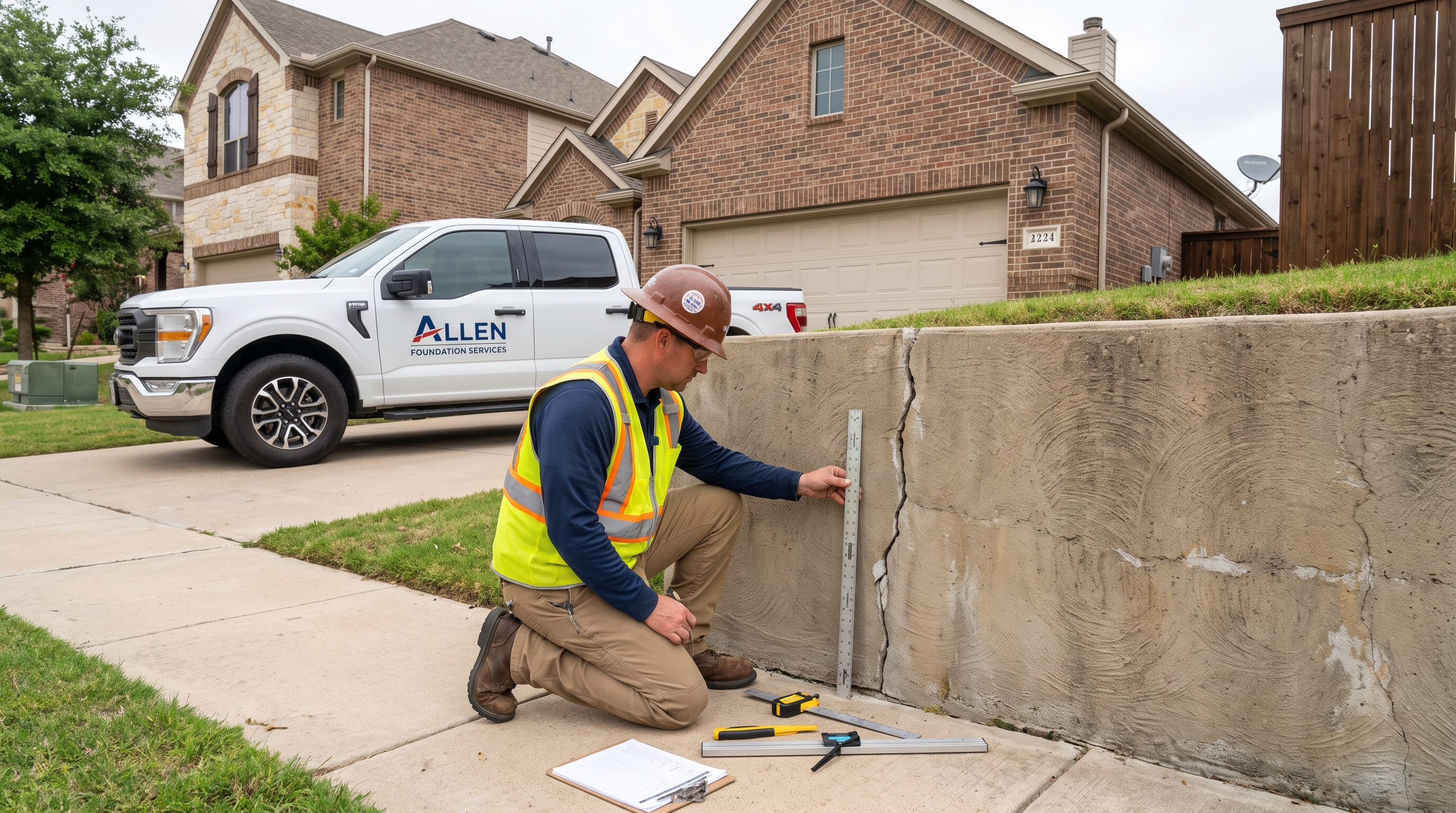
A proper crack inspection compares interior symptoms with exterior evidence. Diagonal cracks above doors, stair-step brick cracks, separated trim, sloped floors, garage slab cracks, and gaps at the ceiling line all point to different stress patterns. The contractor should also walk the perimeter to check soil pullback, negative grade, gutter discharge, irrigation coverage, and erosion near slab edges.
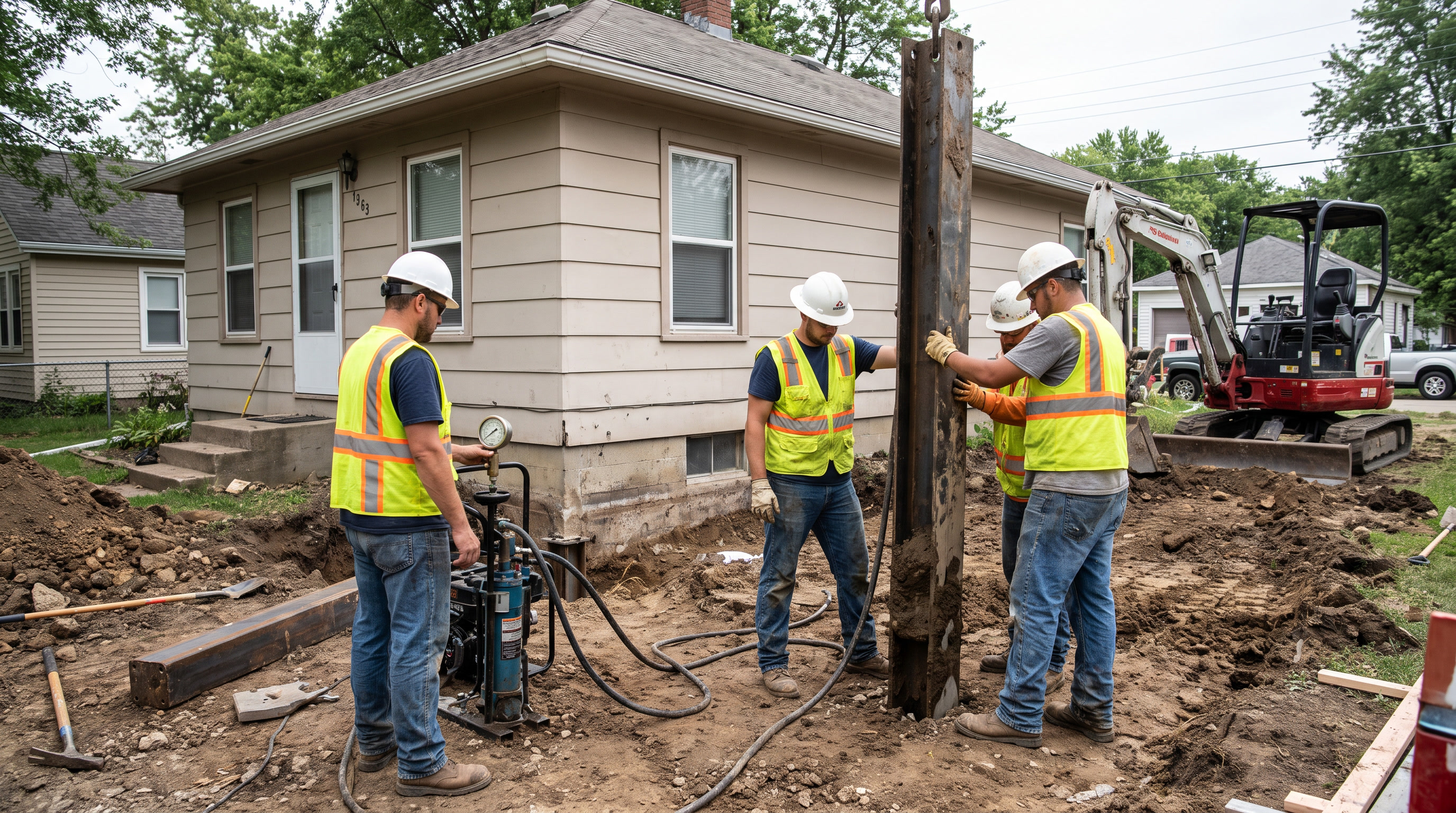
Elevation readings can show how much the slab varies from room to room. Those measurements help separate a stable cosmetic crack from differential settlement that may need piers, drainage correction, or monitoring. On post-tension slabs, the inspection also protects against repair plans that require cutting without understanding cable locations.
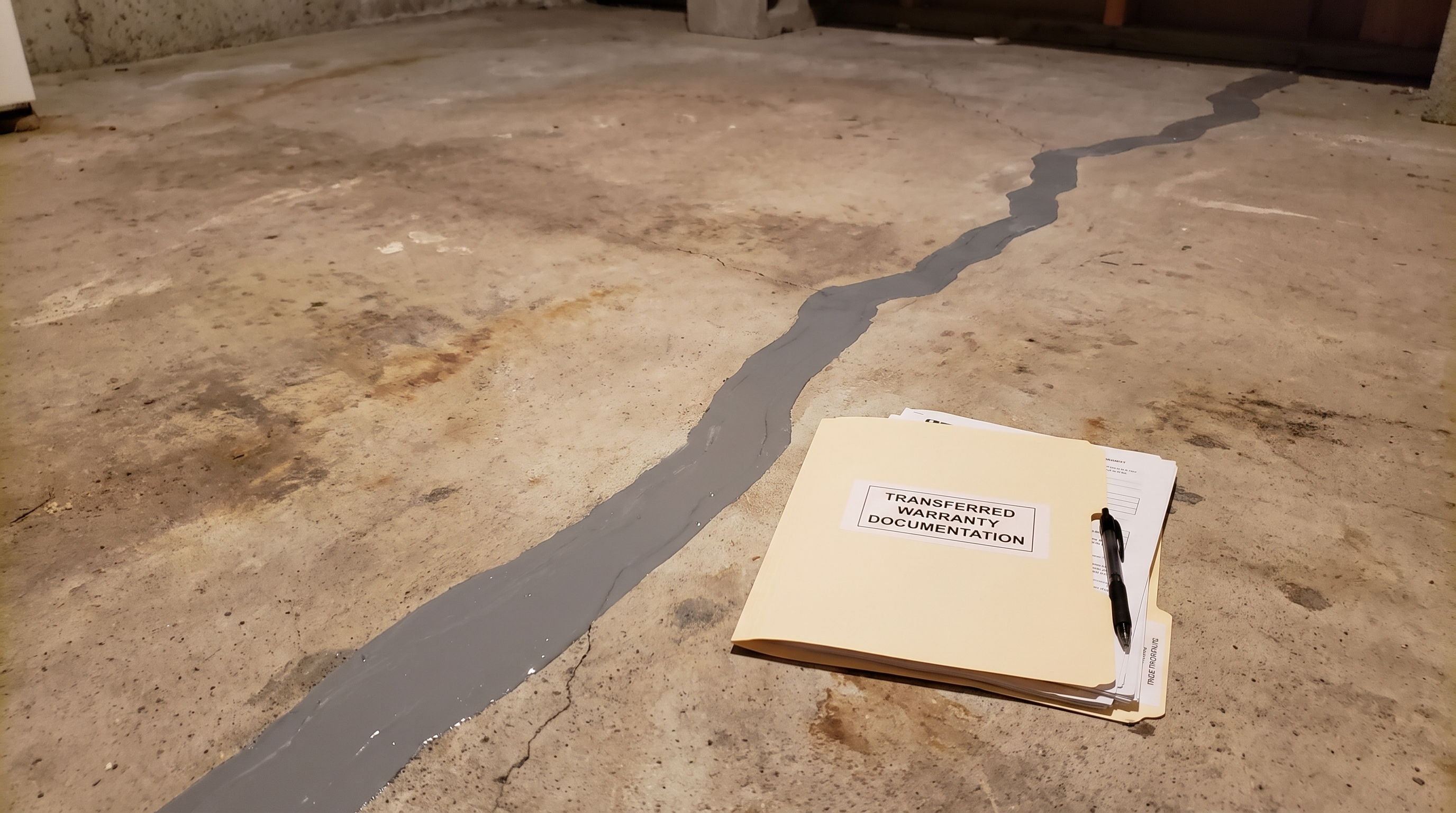
The goal is a written repair path: monitor, seal, inject, improve drainage, level, or underpin. Allen homeowners preparing to sell should keep that documentation because buyers and inspectors will ask what caused the cracking and whether movement has been addressed.
The inspection documents symptoms, measurements, and site conditions so the repair recommendation is tied to evidence.
The contractor records crack location, direction, width, and related symptoms such as sticking doors or window gaps. Brick veneer, drywall, tile, garage floors, and slab edges are reviewed together instead of as separate cosmetic issues.
Floor elevations are measured across the home to identify high and low areas. This helps show whether the slab has differential movement, localized settlement, or a pattern that matches soil moisture problems.
The perimeter is checked for clay shrinkage, low spots, short downspouts, pooling water, tree influence, and irrigation gaps. These conditions often explain why Allen cracks appear after drought and expand after heavy rain.
Crack repair without measurement can miss active slab movement. The contractor match focuses on documenting the structure before recommending injection, piers, leveling, or drainage changes.
Blackland clay behavior is part of the inspection, not an afterthought. The estimate should explain how moisture cycles around the home are affecting the foundation.
Get the crack measured before deciding whether it is cosmetic or structural.
Free — no obligations
The contractor reviews visible cracks, door operation, wall gaps, flooring changes, and any recent plumbing or drainage events.
Readings are taken through the home to identify slope, high points, low points, and movement patterns.
Soil condition, grade, downspouts, irrigation, tree roots, and slab exposure are checked around the structure.
The homeowner receives a clear recommendation for monitoring, crack repair, drainage work, leveling, or structural underpinning.