Allen's Foundation Leveling Specialists
Bring settled slab areas back toward level
Get a free leveling estimate before uneven movement creates more interior and exterior damage.
Allen's Foundation Leveling Specialists
Get a free leveling estimate before uneven movement creates more interior and exterior damage.
Foundation leveling is not about making an older home mathematically perfect. It is about stabilizing the structure and recovering practical elevation where settlement has caused doors to bind, floors to slope, walls to separate, or brick cracks to open. In Allen, that usually means correcting damage caused by uneven clay support.
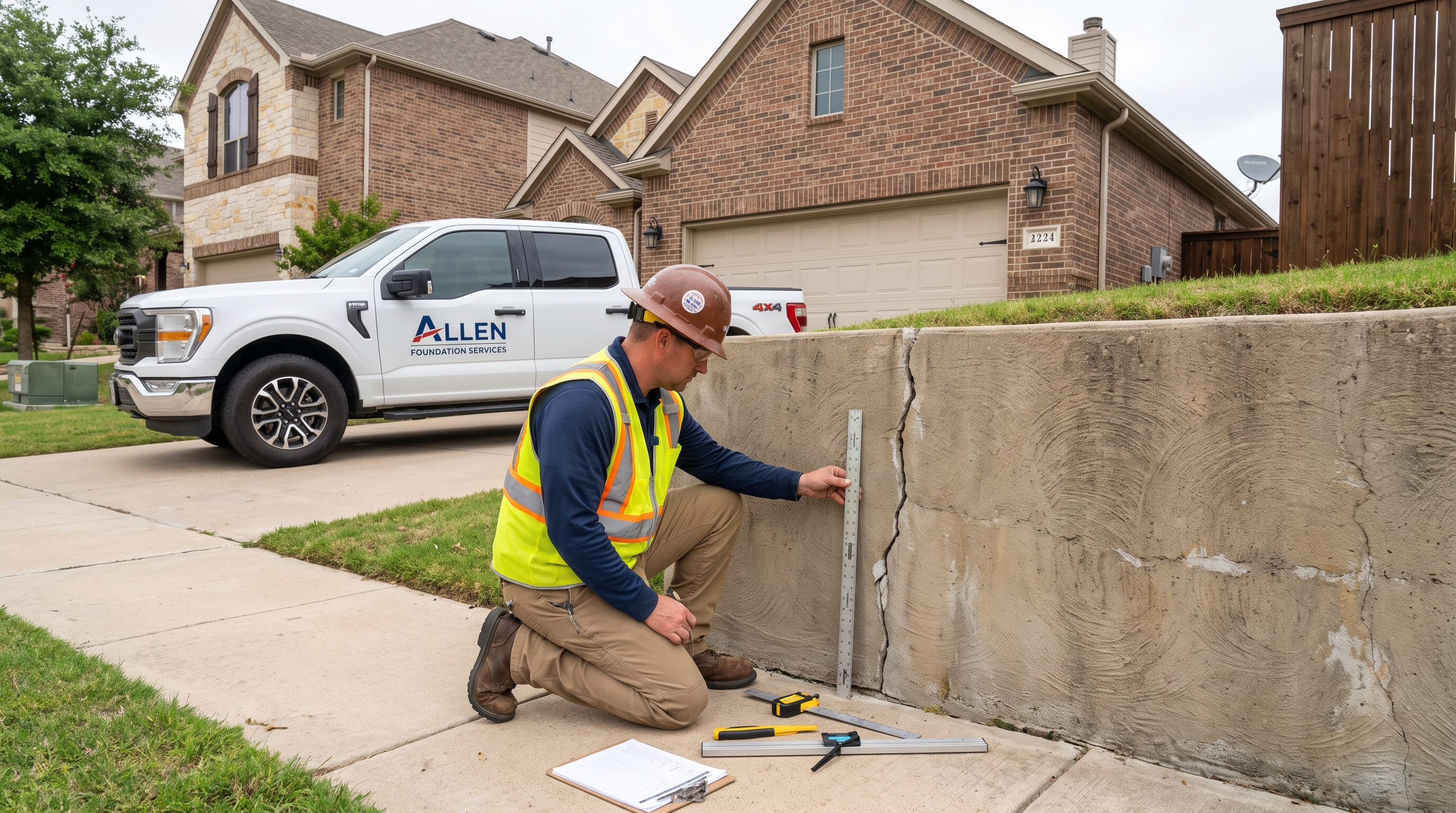
The process begins with elevation readings, not guesswork. Measurements show which parts of the slab are low, which areas may have lifted from swelling clay, and where a controlled lift is realistic. The repair method may include piers, hydraulic lifting, shimming where applicable, and follow-up crack repair after the structure is stabilized.
Leveling must be controlled carefully. Lifting too fast or too far can create new drywall cracks, tile cracks, plumbing stress, or window and door adjustments. Contractors should explain the target elevation and any limits before work begins.
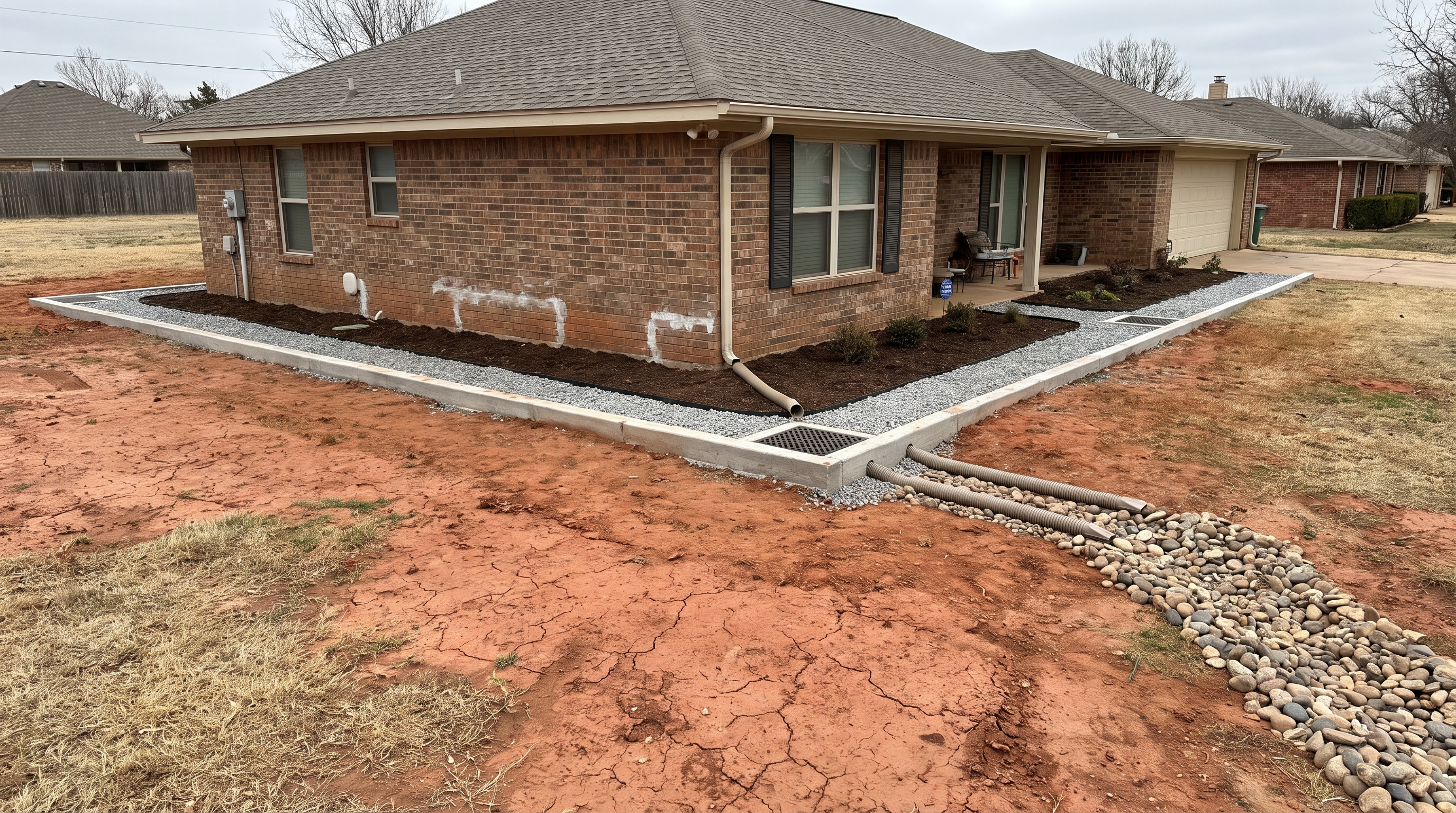
After leveling, homeowners may still need cosmetic repairs and drainage improvements. The structural work sets the house on better support, while moisture control helps keep the slab from moving back through the same cycle.
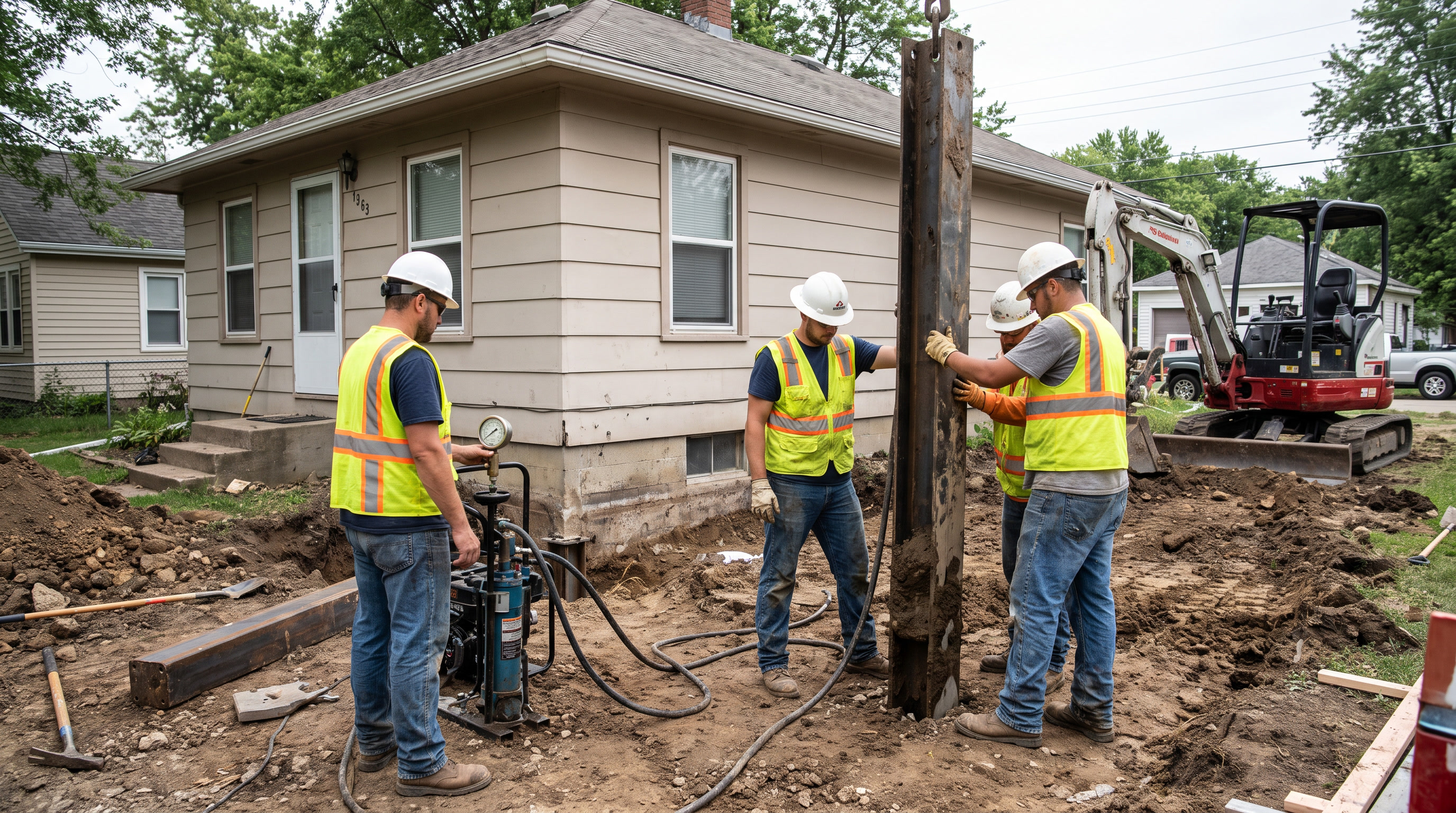
Leveling combines measurements, support installation, controlled lift, and documentation of the final result.
Readings are taken throughout the home to document slope and identify low areas. Those numbers guide the leveling plan and provide useful records for future resale.
Piers or other support methods are installed where the slab needs stabilization. Hydraulic lifting may be used to bring the structure toward a practical target elevation.
Doors, windows, cracks, and elevations are checked after the lift. The contractor should explain what was recovered, what remains cosmetic, and what maintenance helps protect the repair.
Older slab movement cannot always be reversed perfectly. The contractor match prioritizes controlled stabilization and clear expectations instead of promising a flawless lift.
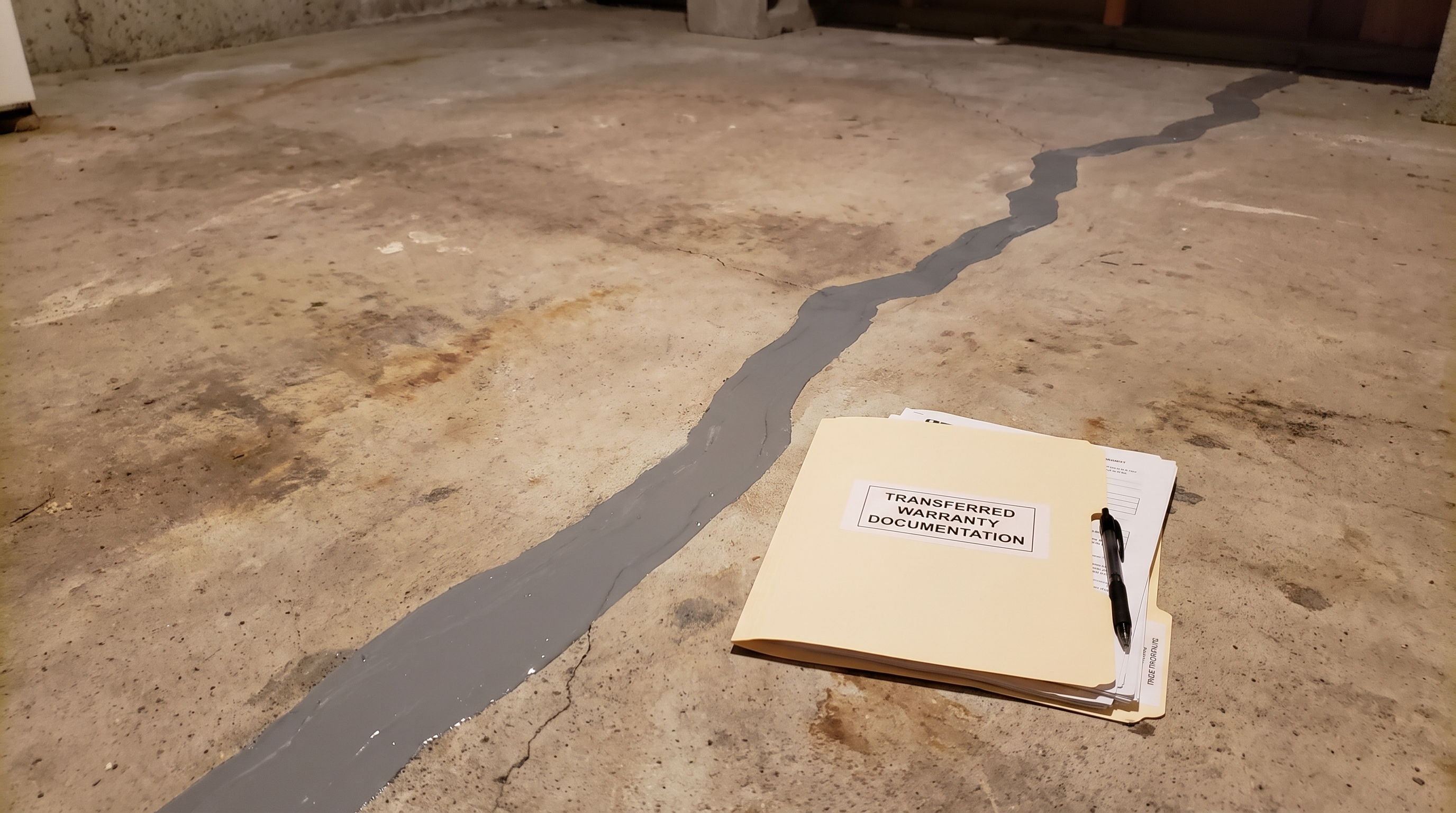
Leveling records matter when buyers ask about foundation history. Elevation readings, repair scopes, and warranty documents help show the work was handled professionally.
Ask for leveling measurements before accepting a repair plan based only on visible cracks.
Free — no obligations
The contractor maps the slab to identify low points, high points, and the direction of movement.
Support locations, target recovery, access, and risks are explained before the structure is lifted.
The repair crew installs support and lifts the settled areas gradually while monitoring the home.
Final elevations, repair limits, warranty terms, and maintenance recommendations are documented.