Allen's Structural Warranty Specialists
Keep foundation repairs documented for resale
Request an estimate that includes warranty terms before approving structural foundation work.
Allen's Structural Warranty Specialists
Request an estimate that includes warranty terms before approving structural foundation work.
A foundation repair is only as useful as the documentation behind it. Allen buyers, agents, inspectors, and lenders often ask what failed, who repaired it, whether an engineer reviewed it, and whether the warranty transfers. A vague invoice can slow down a sale even when the work was completed.
Structural warranties vary by contractor and repair method. Some cover installed piers for the life of the structure, some transfer to a buyer with paperwork, and some require maintenance conditions such as drainage control. Homeowners should read the exclusions before assuming every future crack is covered.
A strong repair package includes the written scope, elevation readings, pier layout, warranty certificate, transfer instructions, payment record, and any engineer letter or report. For Collin County homes, that package helps show the foundation issue was addressed instead of hidden.
Warranty support also protects homeowners from choosing the cheapest scope with the weakest paper trail. The right contractor should be able to explain what is covered, what is not covered, how transfer works, and what maintenance keeps the warranty in good standing.
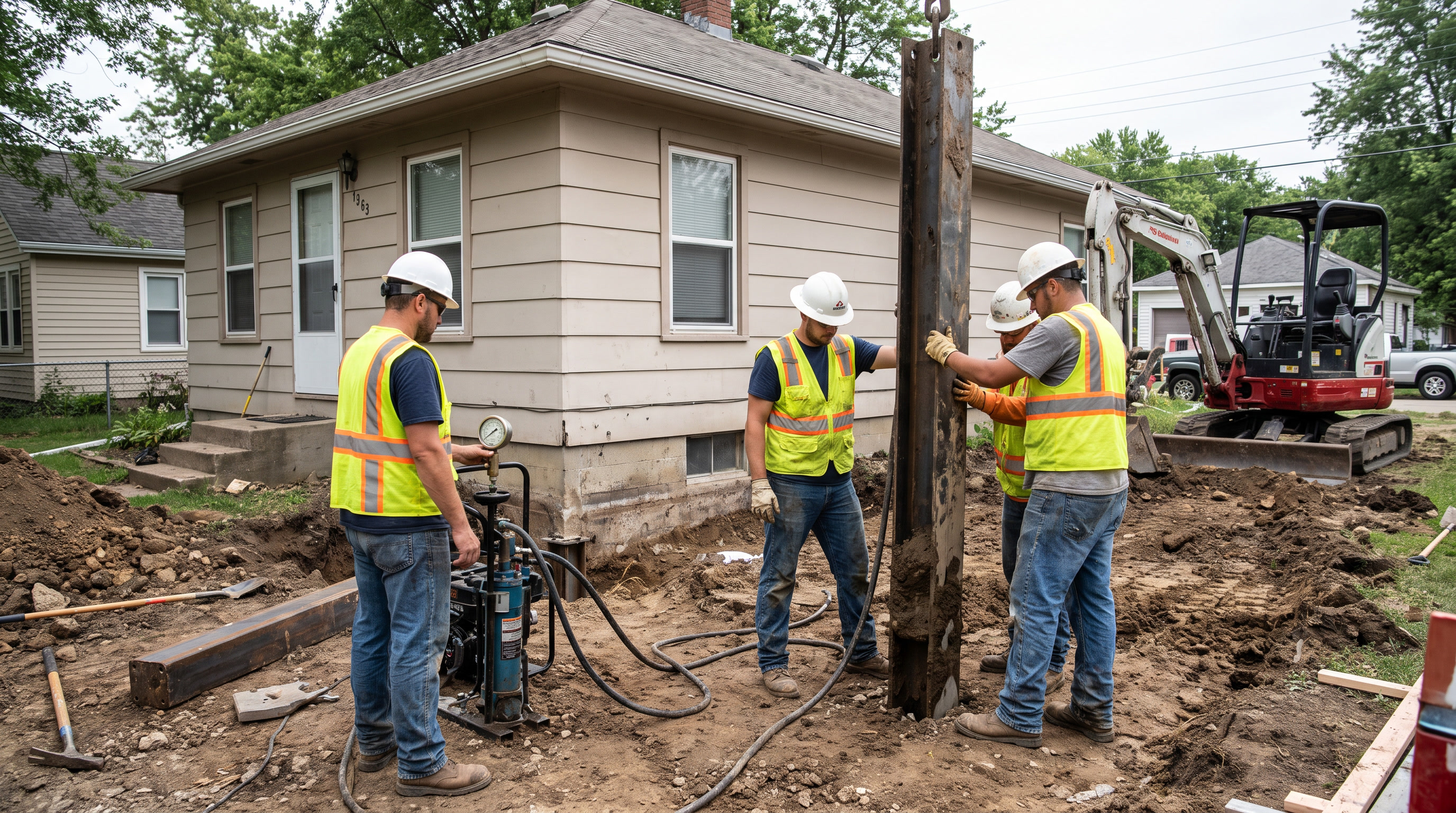
Warranty support focuses on clear repair records, transfer terms, and documentation homeowners can use later.
The contractor explains what components are covered, how long coverage lasts, and which conditions can void or limit coverage. Piers, drainage, cosmetic cracks, and plumbing issues may be treated differently.
Homeowners preparing to sell need to know whether the warranty transfers, what forms are required, and whether a fee or inspection applies. Transferable paperwork can reduce buyer concerns.
Elevation readings, pier maps, engineer letters, invoices, photos, and maintenance notes should be kept together. Those records make future inspections and real estate disclosures easier.
Allen homeowners often need documentation years after the crew leaves. The contractor match favors clear written scopes, warranty language, and records that can support resale conversations.
A structural warranty is not a blank check for every future crack. Homeowners should understand maintenance obligations, transfer steps, and what the warranty actually covers.
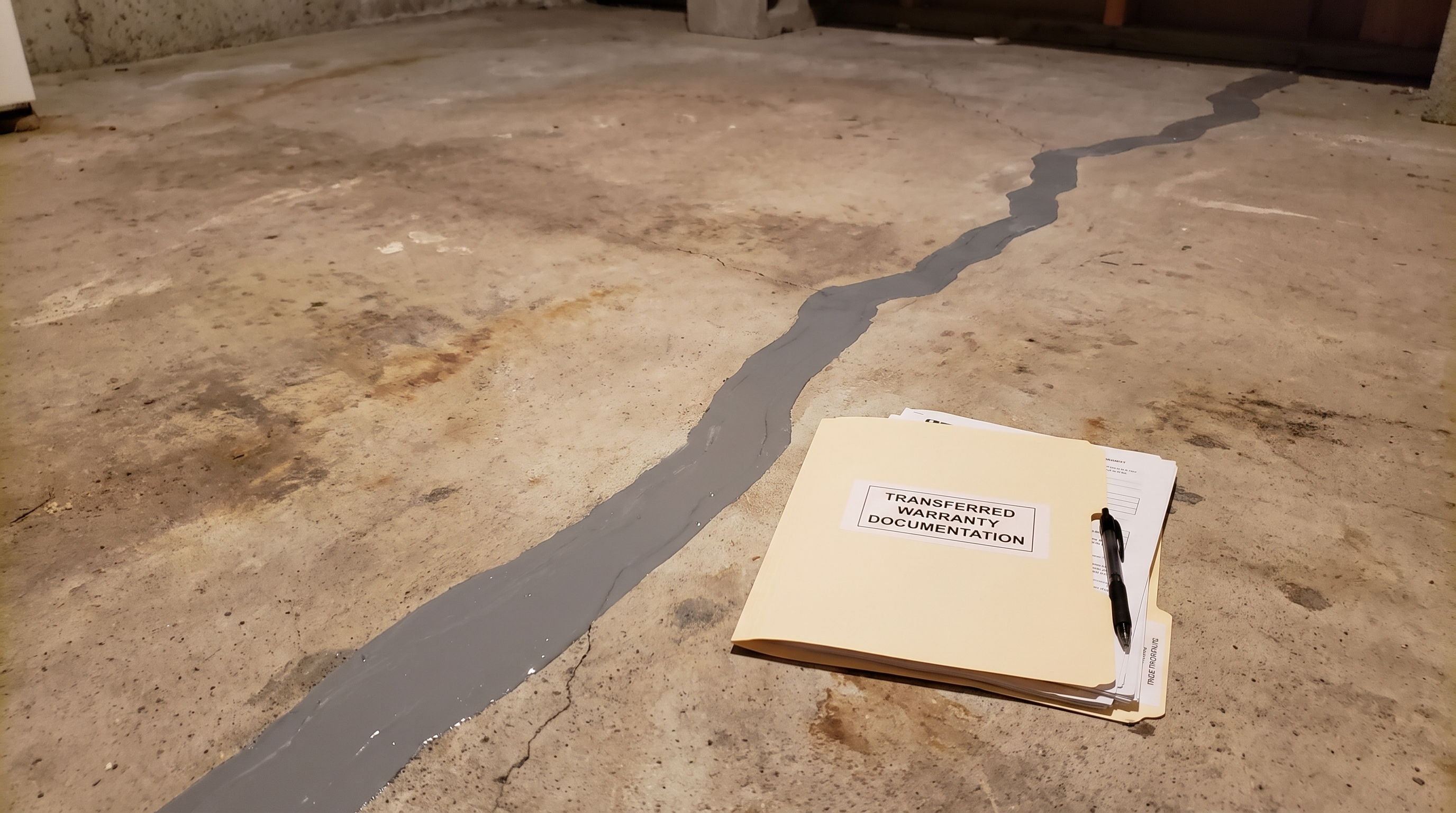
Before you approve foundation work, ask how the warranty transfers and what records you receive.
Free — no obligations
The contractor explains the repair method, covered components, and documentation provided after completion.
Coverage length, exclusions, maintenance requirements, transfer rules, and claim steps are reviewed.
Repair records, elevation data, pier layouts, photos, engineer notes, and invoices are organized for homeowner files.
The homeowner receives guidance on which documents buyers, agents, and inspectors commonly request.